Special education plays a crucial role in ensuring that students with diverse learning needs receive the necessary support to thrive academically and personally. Special educators are trained professionals who create a nurturing and inclusive environment for children with disabilities or learning difficulties. Their expertise benefits students in multiple ways, making education accessible and meaningful.
1. Individualized Instruction and Accommodations
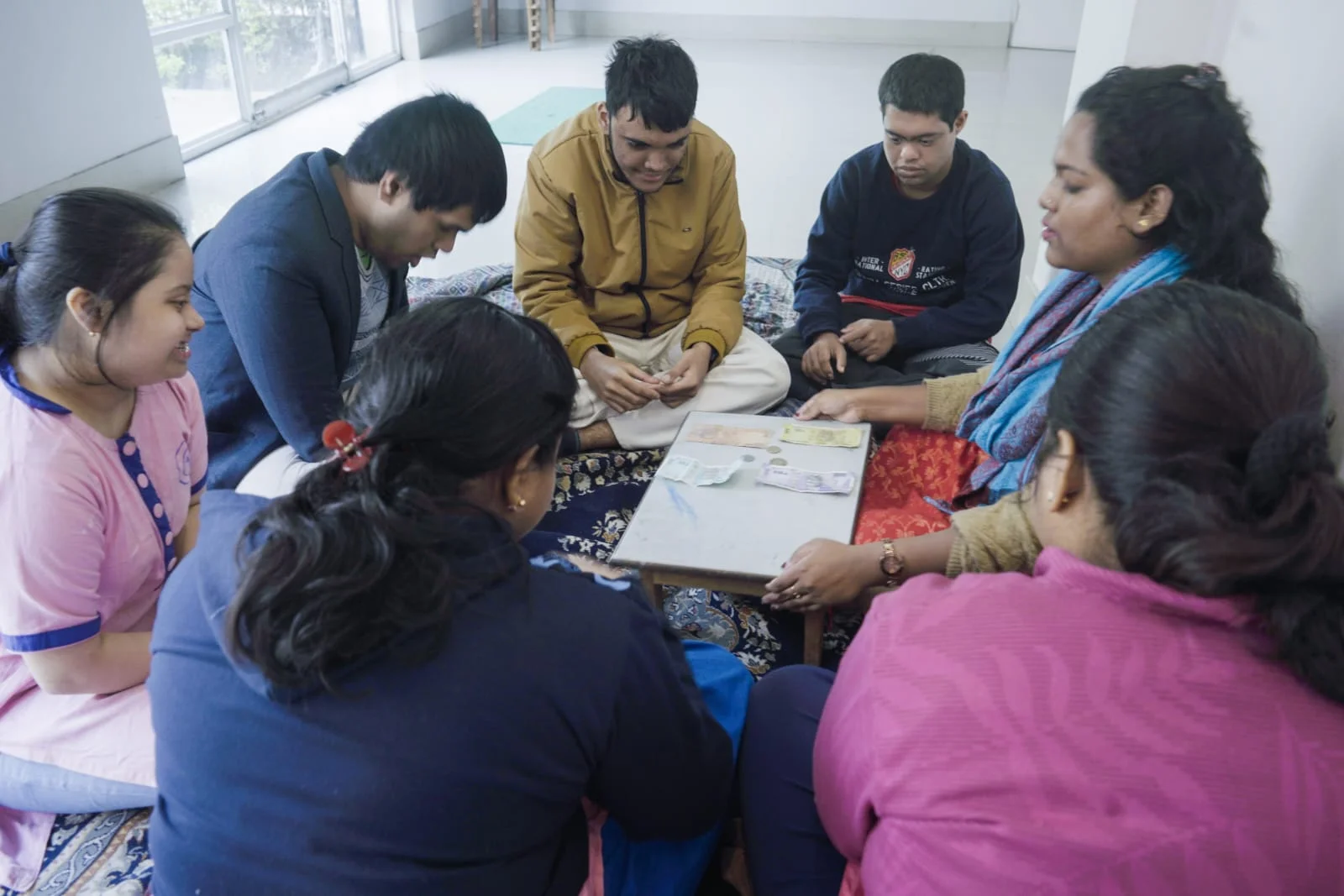
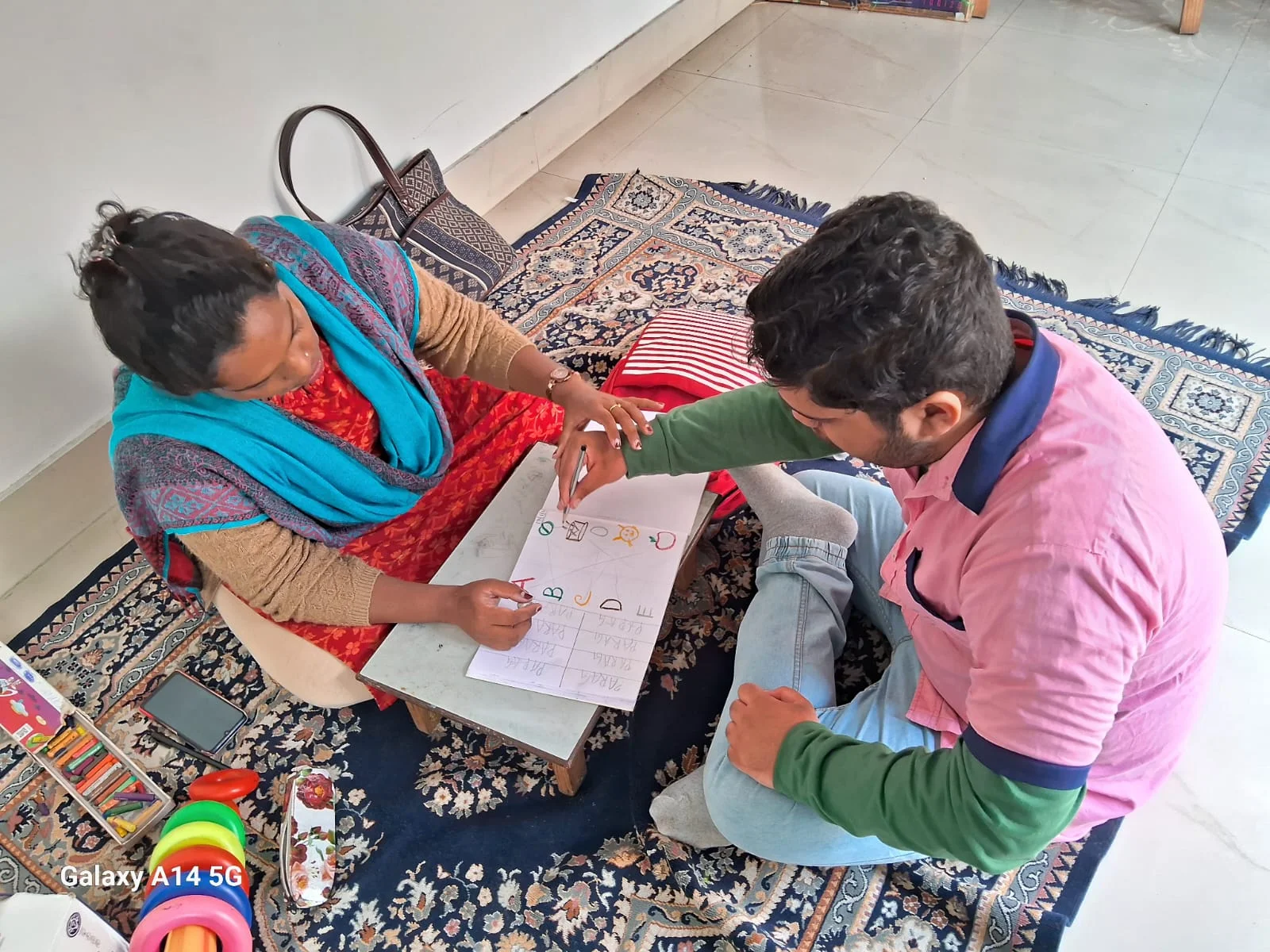
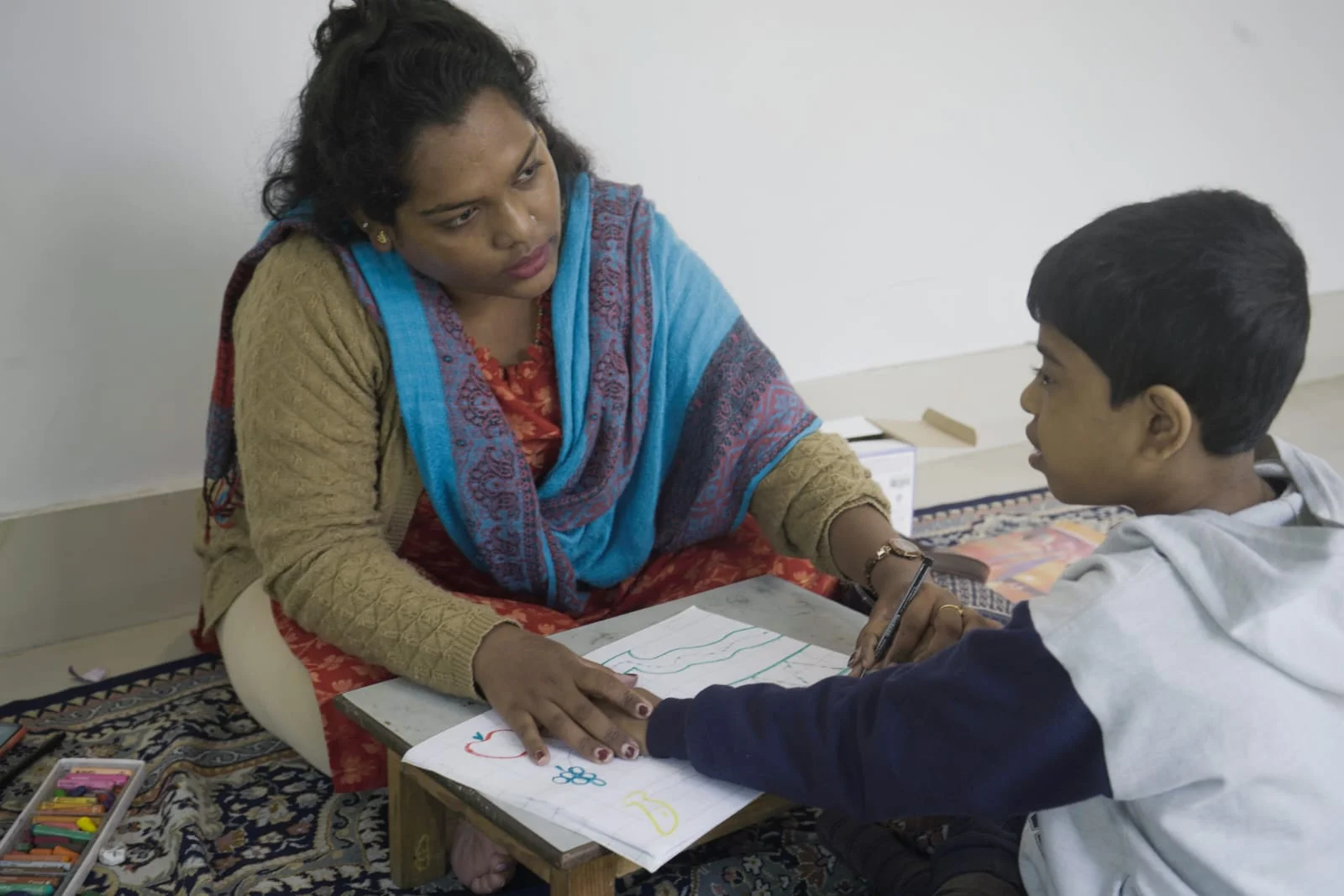
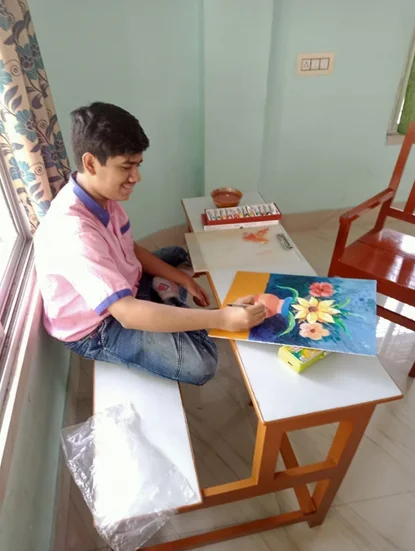
Every child has unique learning abilities, and special educators design individualized learning plans tailored to each student's strengths and challenges. They provide necessary accommodations, such as modified lesson plans, extra time for assignments, assistive technology, and alternative assessment methods. This personalized approach ensures that students grasp concepts effectively at their own pace.
2. Behavioral Support and Strategies
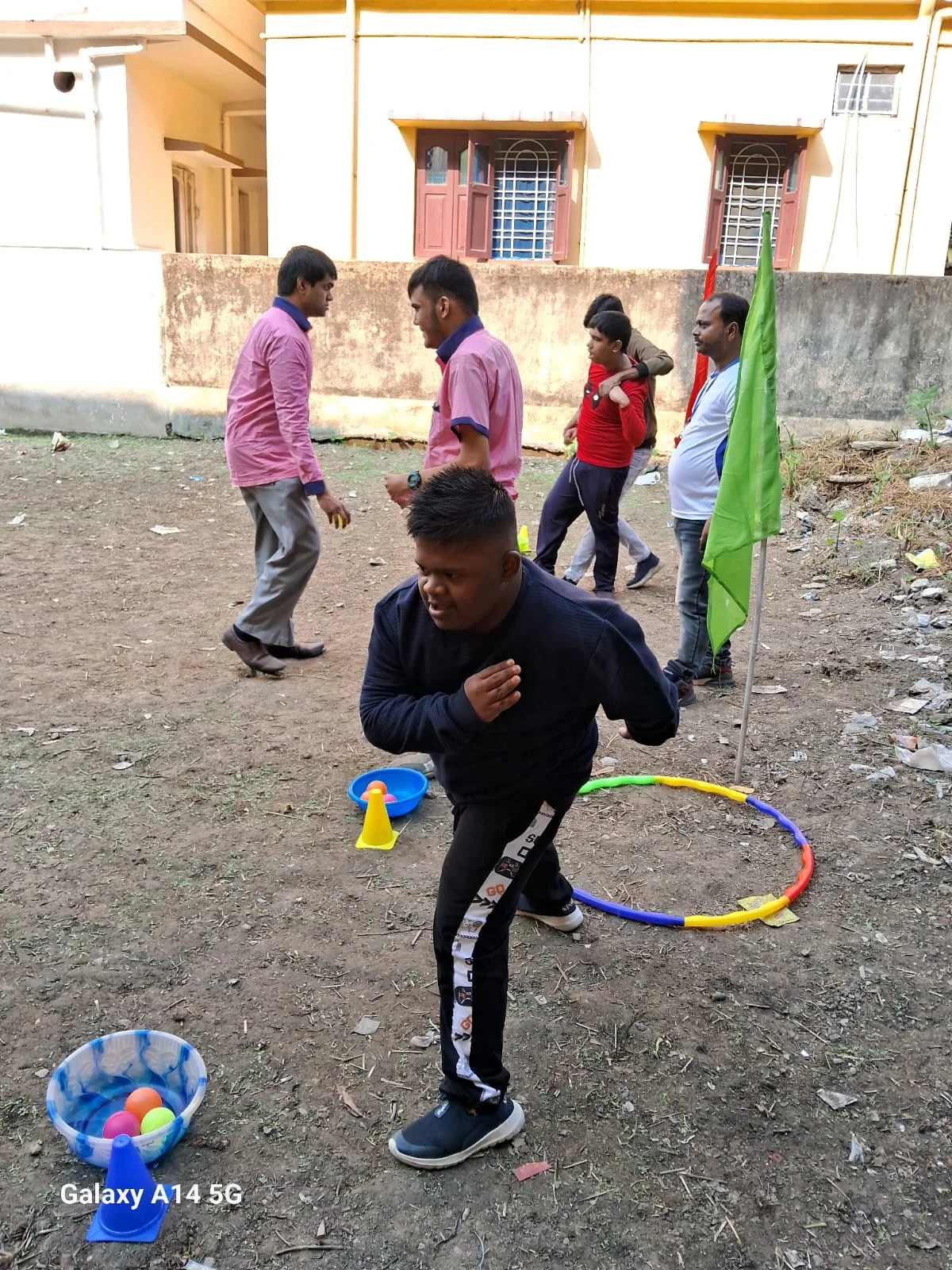
Many students in special education require behavioral support to help them succeed in a structured learning environment. Special educators use positive reinforcement techniques, behavior management strategies, and structured routines to encourage appropriate behavior. These methods help students develop social skills, self-discipline, and coping mechanisms, leading to a more positive classroom experience.
3. Emotional Support and Counseling
Students with special needs often face emotional and social challenges, such as anxiety, low self-esteem, or difficulty in peer interactions. Special educators provide emotional support by fostering a safe and understanding environment. Through counseling and encouragement, they help students build confidence, resilience, and a positive self-image, which contributes to their overall well-being.
4. Use of Innovative Teaching Aids & Identifying Different Types of Learners
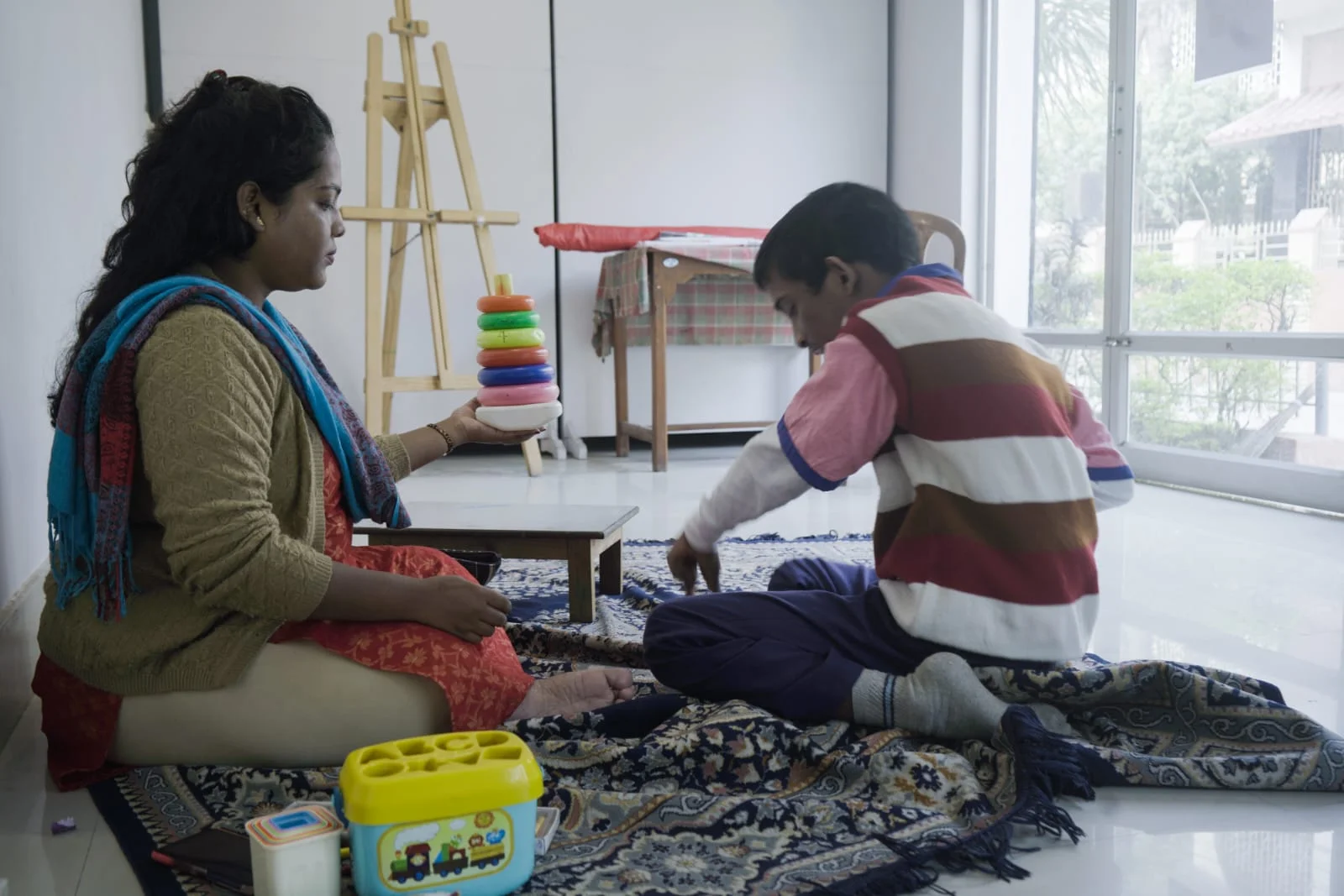
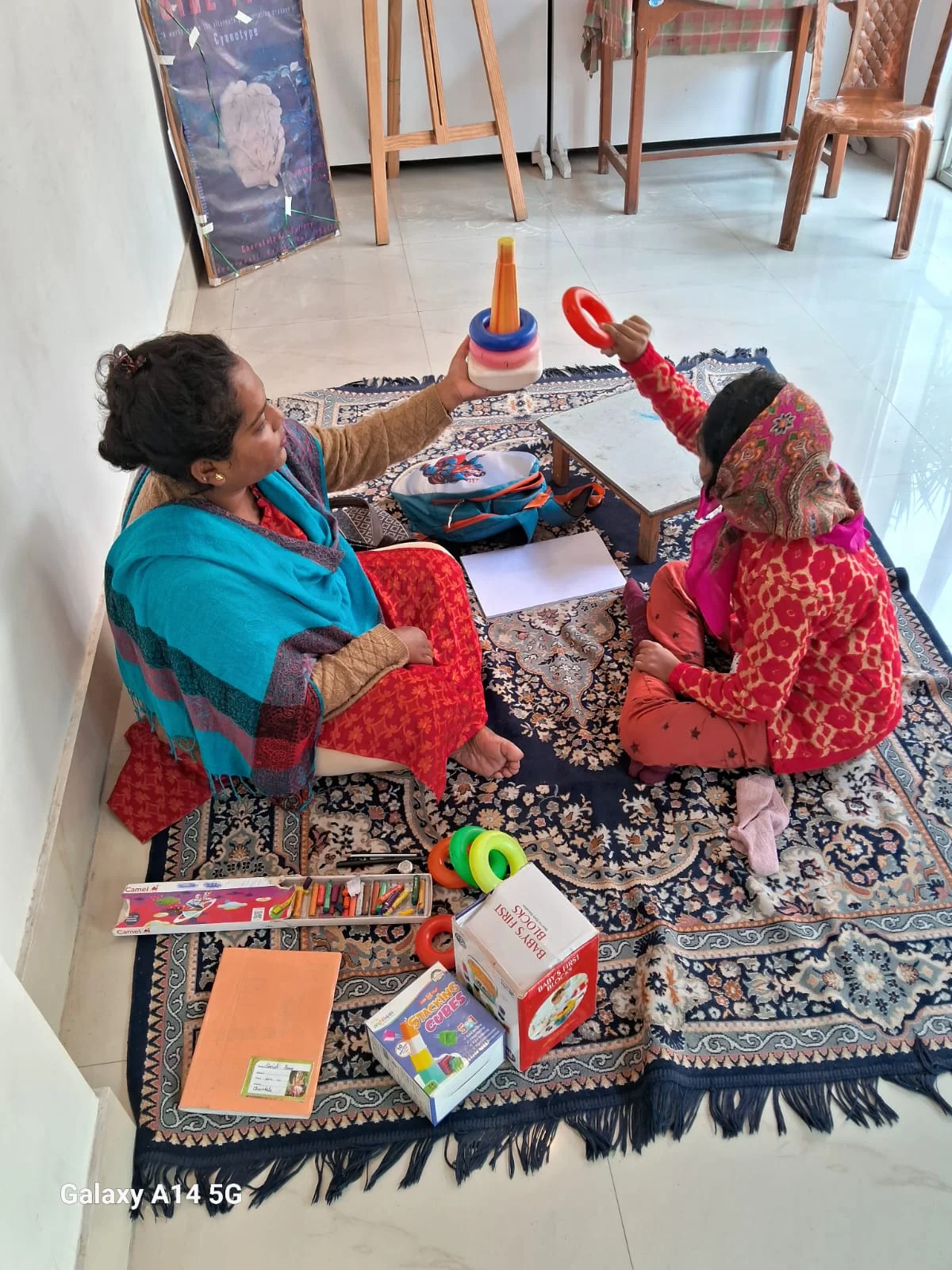
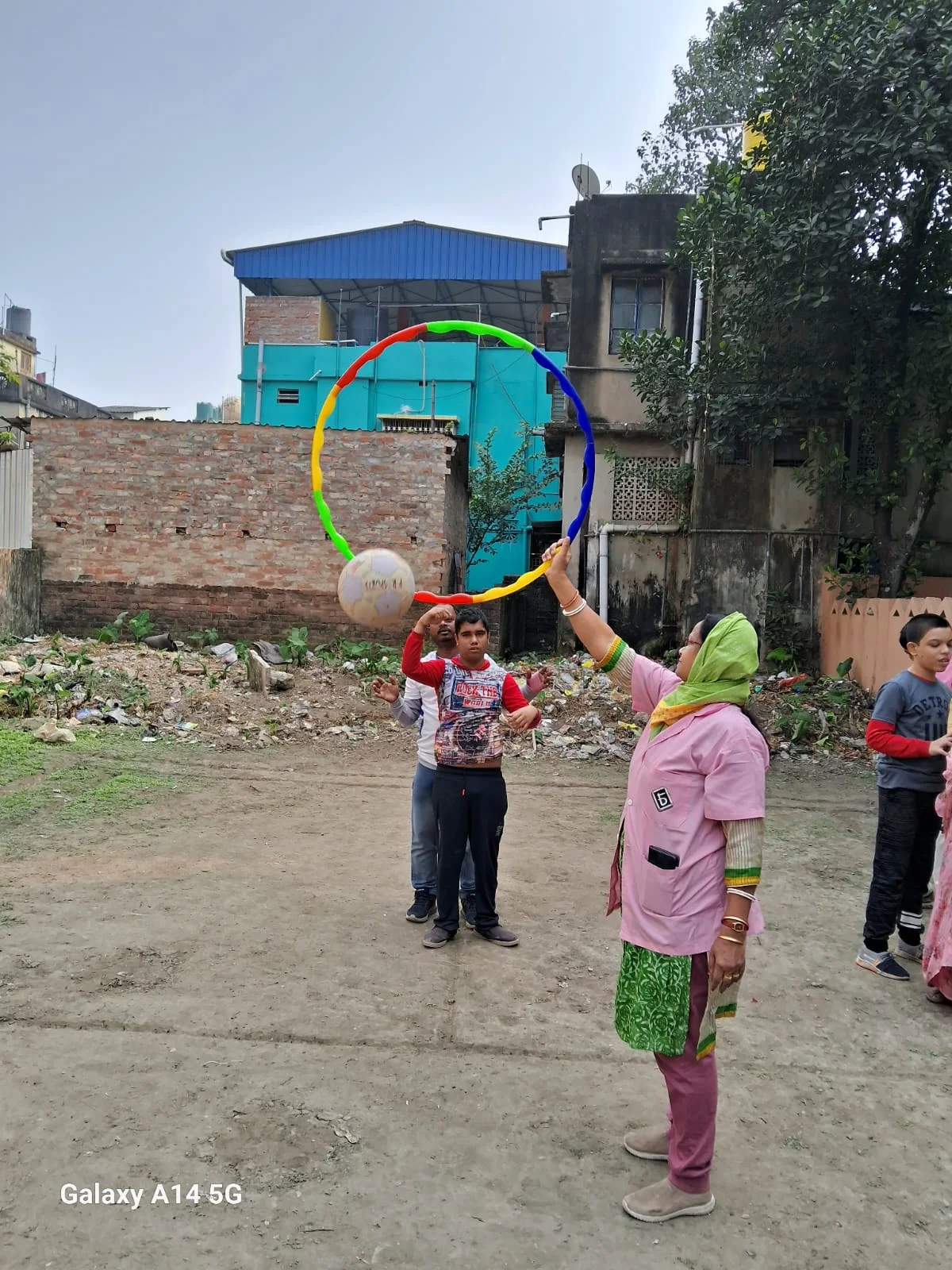
Special educators employ creative and adaptive teaching methods to cater to different types of learners—visual, auditory, kinesthetic, or a combination of these. They use innovative tools such as interactive technology, sensory aids, visual schedules, and hands-on activities to enhance understanding and engagement. By recognizing the preferred learning styles of each student, special educators can make lessons more effective and enjoyable.